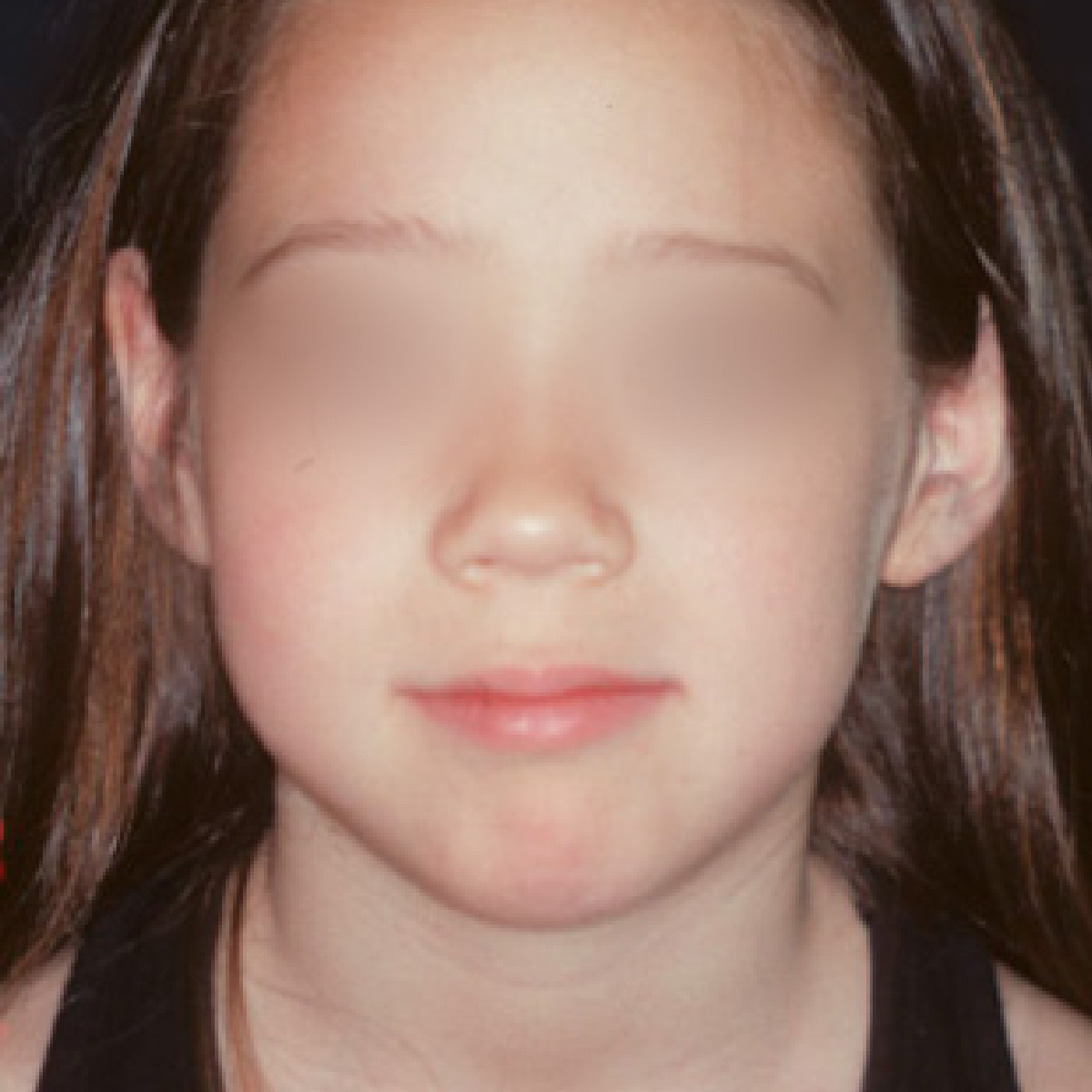
Parents often want to correct the alignment of their child’s front teeth as early as possible once they become concerned. This is a natural reaction. However, when considering orthodontic treatment as a whole, we do not believe it is necessary to begin moving the teeth with braces at such an early stage.
This patient was 11 years old and had sought treatment elsewhere to align her teeth, but this could be addressed later. The primary consideration was that this age marks the onset of a growth spurt. Therefore, the question becomes: What should be done to promote better jaw growth? And what is not necessary?
Based on our clinical experience, the stability of the temporomandibular joints (TMJs) and occlusion is crucial for proper jaw growth. We eliminate factors that could hinder growth and incorporate those that promote stability. This approach is similar to creating the best possible environment when raising a child.
[11 years and 1 month]
Believing that mandibular growth was necessary for facial aesthetics and proper occlusion, we first checked the developmental status of the TMJs. In this case, MRI played a crucial role. We determined that disc displacement was in its early stage and that the secondary cartilage was in a condition immediately preceding the growth spurt.
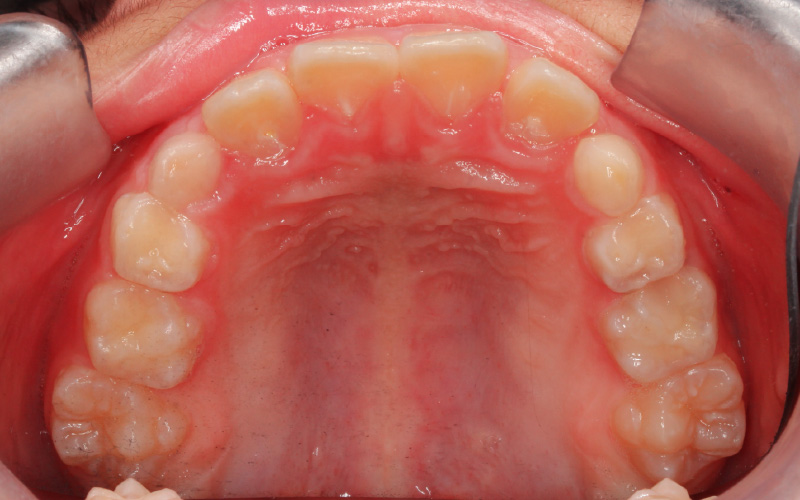
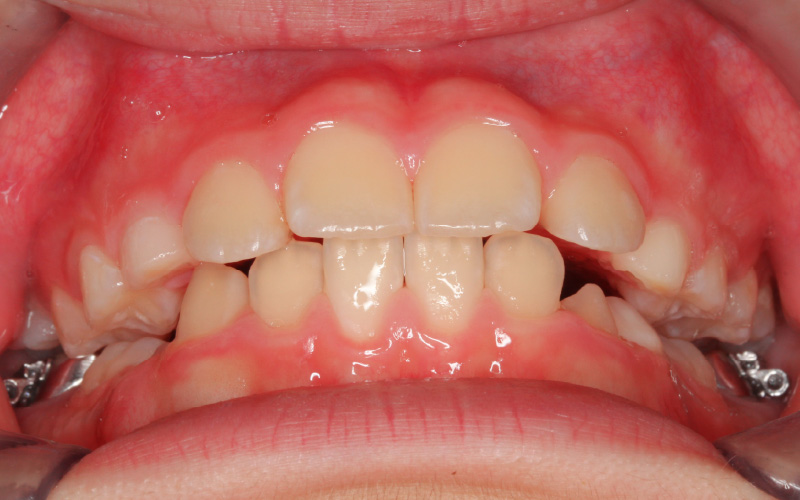
First, the appliance designed solely for tooth alignment was removed. Until the teeth were ready to be aligned, the patient wore a stabilization splint for about 12 to 15 hours a day (primarily at night) to stabilize the occlusion. Regular checkups were conducted to monitor mandibular growth.
Initial
[11 years and 1 month]
Believing that mandibular growth was necessary for facial aesthetics and proper occlusion, we first checked the developmental status of the TMJs. In this case, MRI played a crucial role. We determined that disc displacement was in its early stage and that the secondary cartilage was in a condition immediately preceding the growth spurt.
First, the appliance designed solely for tooth alignment was removed. Until the teeth were ready to be aligned, the patient wore a stabilization splint for about 12 to 15 hours a day (primarily at night) to stabilize the occlusion. Regular checkups were conducted to monitor mandibular growth.
Post-splint
Post-splint
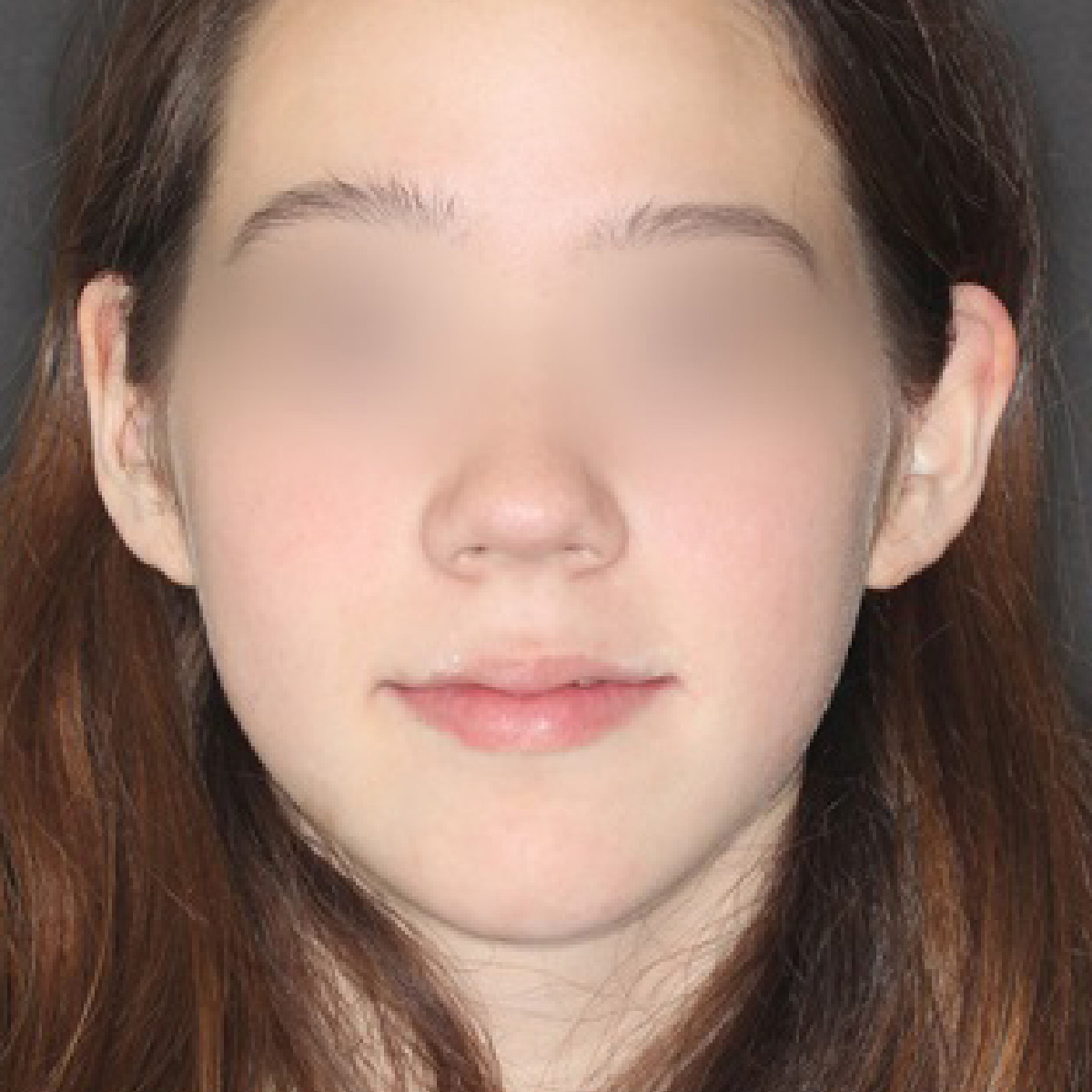
[13 years 4 months / Start of Orthodontic Treatment]
Approximately two years had passed since the initial consultation, and after the deciduous teeth had been replaced by permanent teeth, records were taken to assess the growth pattern.
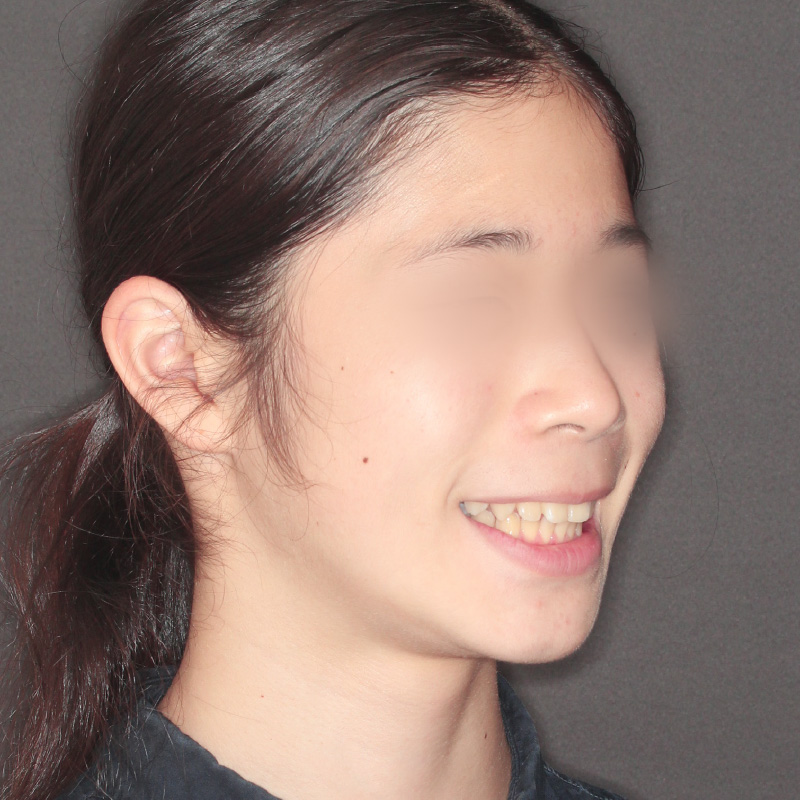
Nighttime wear of the splint had stabilized the position of the mandible (lower jaw). The mandible had grown larger and in a balanced manner, and the cant of the occlusal plane—which had been higher on the right side—had improved. Since MRI scans confirmed that mandibular growth was still active, orthodontic treatment was initiated.
Initial
Post-splint
Cephalogram
Initial
Post-splint
Cephalogram
Over the course of approximately two years, the mandible (lower jaw) grew significantly. Along with the forward growth of the mandible, the airway also widened. This change may help prevent the development of sleep apnea in the future.
Final
Final
[16 years and 4 months]
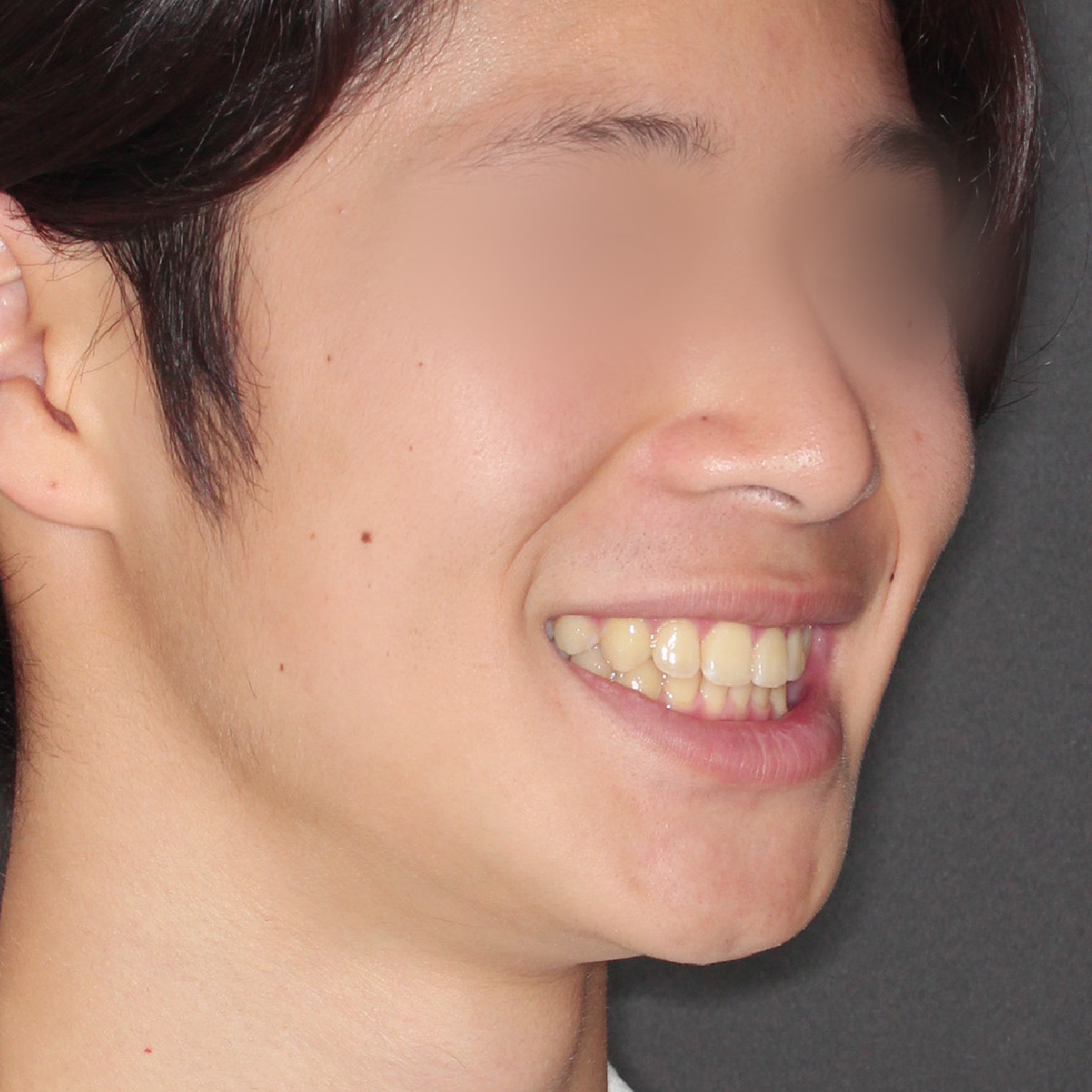
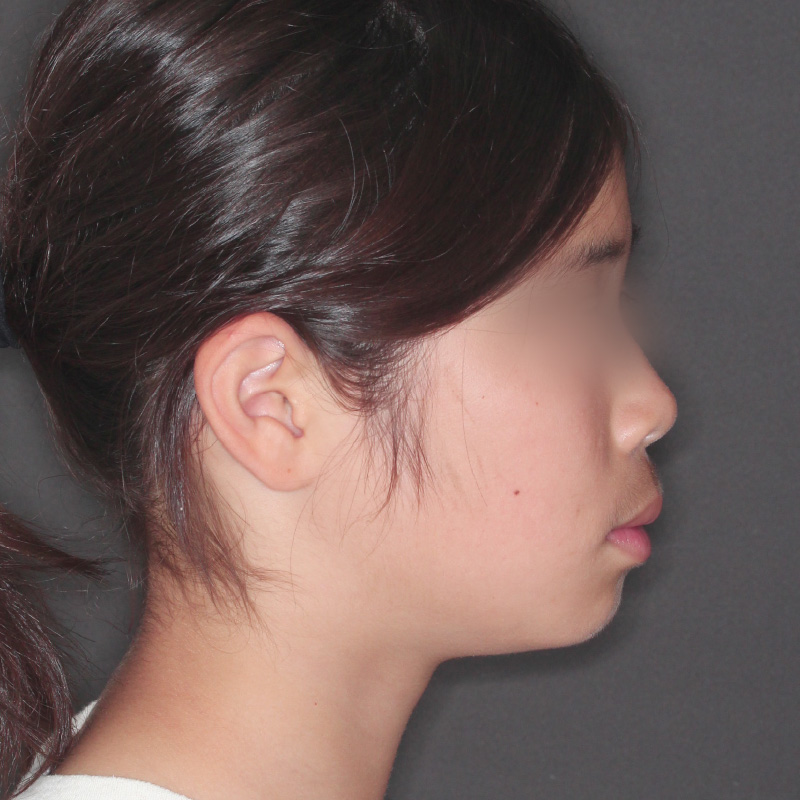
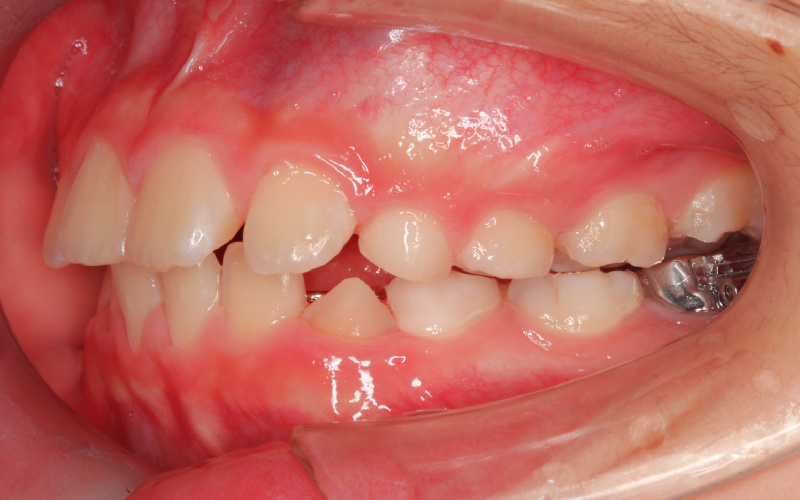
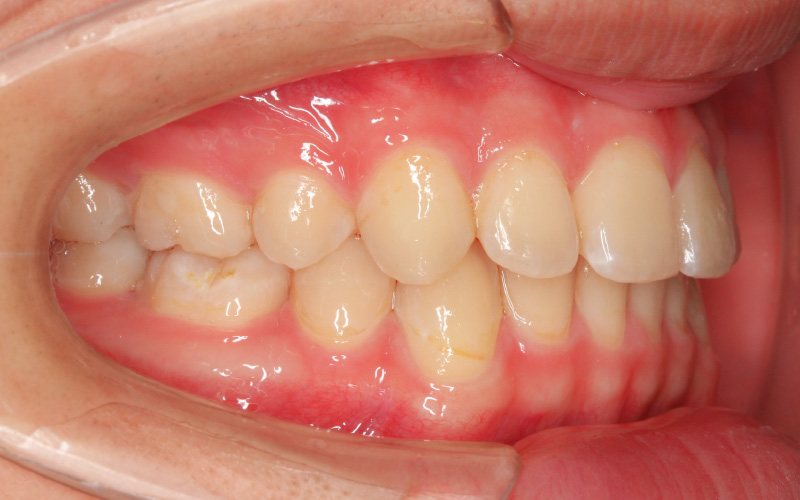
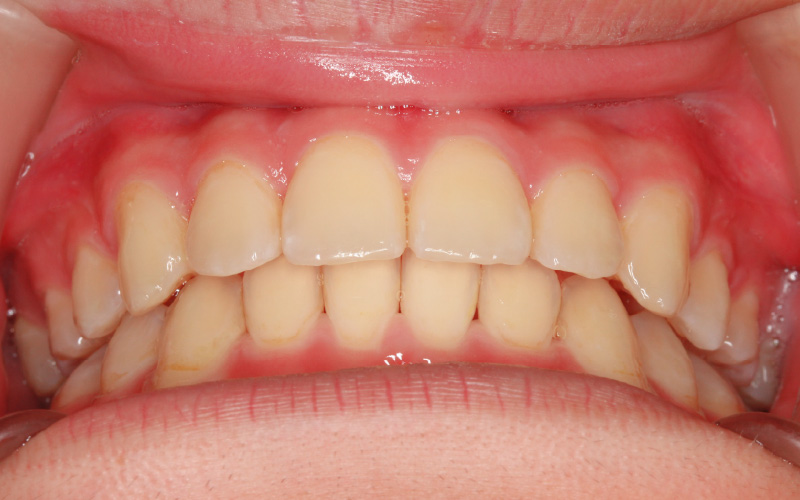
Due to protrusion of the upper and lower anterior teeth and a convex profile, premolars were extracted. The extraction spaces, together with the growth mechanics promoting counterclockwise mandibular rotation, were utilized to align the teeth and improve the facial profile.
As a result, the chin was brought forward, the lips were retracted, and a harmonious balance was achieved between the positions of the nasal tip, chin, and lips. The face has become more refined, and a pleasing outcome was obtained both facially and dentally.
Initial
Simulation
Final
シミュレーション
Initial
Simulation
Final
Simulation
Predicted image = simulation. The post-treatment results matched the prediction.
This treatment outcome was not achieved by chance. It resulted from carefully reviewing the initial records before treatment, performing a simulation (prediction of tooth movement and mandibular growth for facial improvement), and planning the mechanics of tooth movement while paying close attention to mandibular growth. Such pre-treatment prediction—that is, the treatment plan—is crucial.
Initial
Post-splint
Final
Cephalogram
Initial
Post-splint
Final
Cephalogram
After splint treatment (i.e., at the start of orthodontic treatment), the mandible (lower jaw) had grown significantly. Along with the forward mandibular growth, the airway has also widened. The mandible continued to grow during orthodontic treatment, and the treatment mechanics allowed the mandible to rotate counterclockwise. As a result, the chin moved further forward, which has had a significant impact on facial appearance. The extraction of premolars—which was necessary to align the teeth—also played a major role in improving the facial profile.
Initial
R
R
L
L
Post-splint
R
R
L
L
Final
R
R
L
L
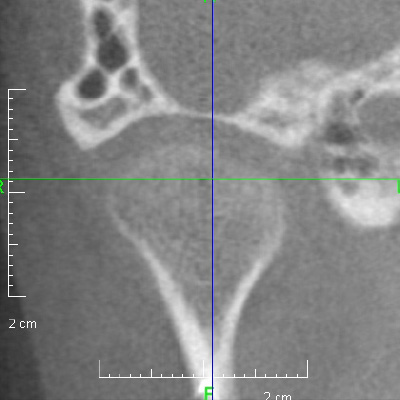
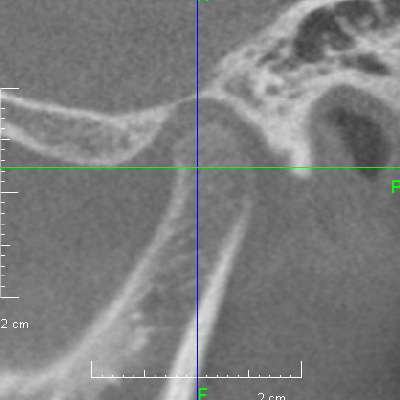
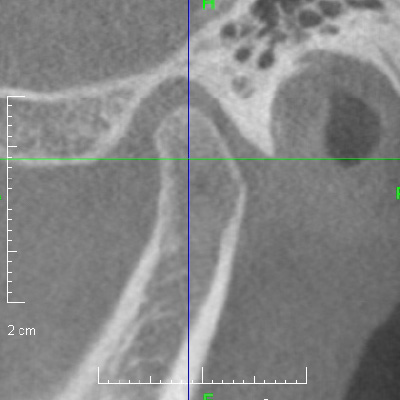
TMJ CBCT Images
Initial
R
L
Post-splint
R
L
Final
R
L
Initial
R
L
Post-splint
R
L
Final
R
L
TMJ CBCT Images
The condyles at both ends of the mandible (lower jaw) fit well in the mandibular fossae and demonstrate favorable growth in the anterosuperior direction. The magnitude and anterosuperior direction of this condylar growth contributed to counterclockwise rotation of the mandible, resulting in forward positioning of the chin. The right-upward cant of the occlusal plane was also corrected through this growth adaptation of the TMJs.
Featureof the Roth Philosophy
Before
After
R01
Face Design
Strong Focus on Facial Impact
When considering the principal region of the face—from the eyebrows to the chin—the tooth crowns and roots account for nearly 40% of the area. Therefore, moving the teeth has a significant impact on overall facial appearance.
Simply straightening the teeth does not automatically result in a truly beautiful tooth alignment. A well-formed dental arch, a stable mandibular position, and healthy, stable temporomandibular joints (TMJs) contribute to a beautiful smile and promote the health of the teeth and periodontium.
While the alignment of the teeth is important, it is essential to first assess the condition of the TMJs. This approach is similar to conducting a soil survey before building a house.
In addition to cone-beam CT, which offers high accuracy with low radiation exposure, MRI is widely available in Japan and can be performed at a lower cost than in other countries. This allows us to thoroughly assess the condition of the TMJs.
It is important to identify the stages of a child’s growth—particularly the growth of the mandible (lower jaw)—and to tailor the treatment plan and procedures accordingly.
Early treatment is recommended for cases in which treatment would become more difficult later, or in which leaving the condition untreated would place a significant burden on chewing function and the TMJs.








 Initial
 Post-splint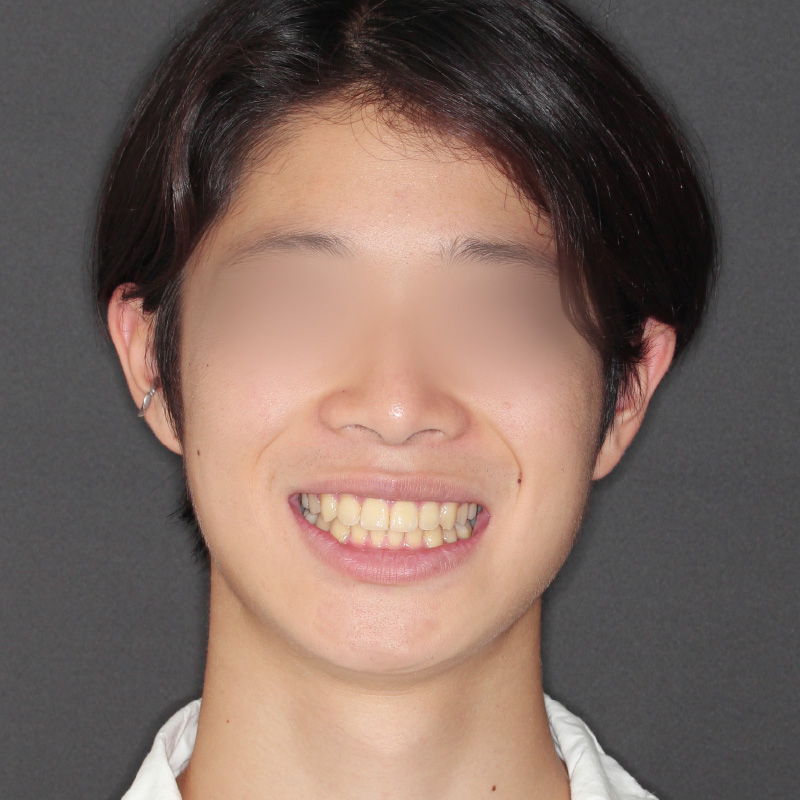





 Initial
 Simulation
 Final
Final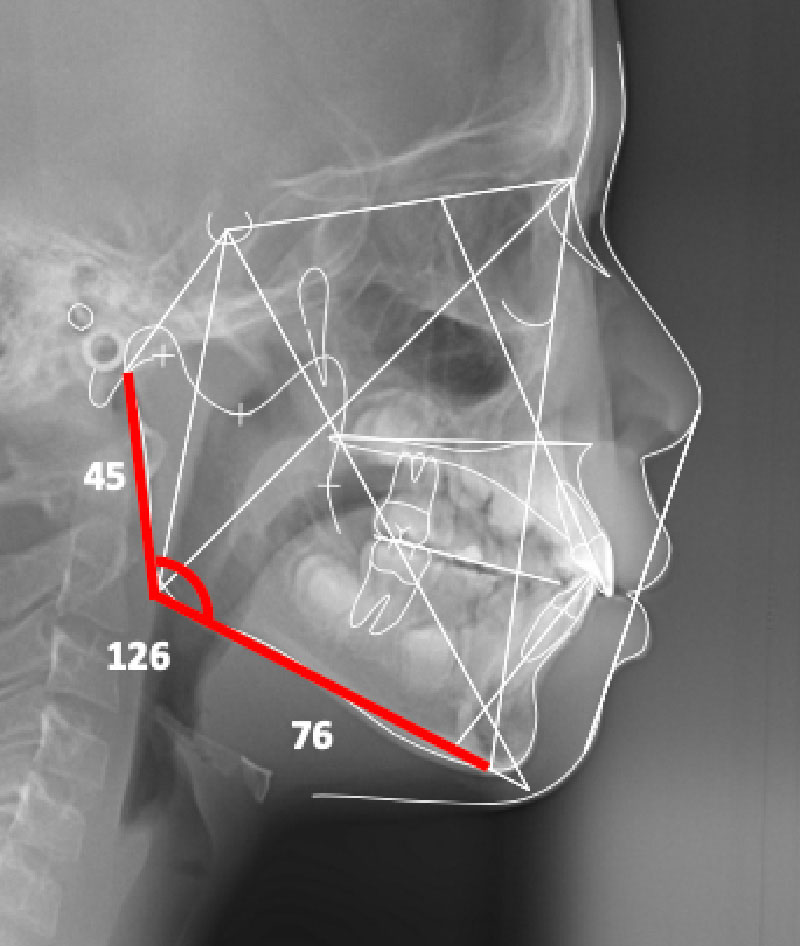 Initial
 Post-splint
 Final
Final