
ROTH PHILOSOPHY
R04
Stable Jaw Position The importance of mandibular position
-
 fig.1
fig.1 fig.2
fig.2 fig.3
fig.301R04
First, assess the condition of the temporomandibular joints (TMJs).
fig.1
Dr. Roth believed that “the occlusion of the upper and lower teeth is of great significance only when the TMJs are stable.” However, at the initial examination, many patients “subconsciously shift their jaw” to a position where it is easier to bite, and in most cases, this results in discrepancy at the TMJ level.
fig.2
● Scope of traditional orthodontic treatment
Throughout its more than 100-year history, orthodontics has focused solely on intraorally visible tooth position in aligning the teeth. Dr. Roth felt this approach was flawed and established an orthodontic treatment method that was fundamentally different from previous ones.
fig.3
● Scope of the Roth Philosophy-based orthodontic treatment
Before addressing intraoral tooth alignment, one must “first assess the condition of the TMJs.” This is analogous to conducting a soil survey before building a house. This forms the foundation of Dr. Roth’s approach to orthodontic treatment.
Modern people use their teeth for nearly 80 years. Superficial treatment that merely aligns the teeth postpones problems that will arise later. Furthermore, by the time problems do arise and treatment is sought, the condition may have progressed, making treatment difficult.
-
fig.1
Dr. Roth believed that “the occlusion of the upper and lower teeth is of great significance only when the TMJs are stable.” However, at the initial examination, many patients “subconsciously shift their jaw” to a position where it is easier to bite, and in most cases, this results in discrepancy at the TMJ level.
-
fig.2
● Scope of traditional orthodontic treatment
Throughout its more than 100-year history, orthodontics has focused solely on intraorally visible tooth position in aligning the teeth. Dr. Roth felt this approach was flawed and established an orthodontic treatment method that was fundamentally different from previous ones.
-
fig.3
● Scope of the Roth Philosophy-based orthodontic treatment
Before addressing intraoral tooth alignment, one must “first assess the condition of the TMJs.” This is analogous to conducting a soil survey before building a house. This forms the foundation of Dr. Roth’s approach to orthodontic treatment.
Modern people use their teeth for nearly 80 years. Superficial treatment that merely aligns the teeth postpones problems that will arise later. Furthermore, by the time problems do arise and treatment is sought, the condition may have progressed, making treatment difficult.
-
Initial


R

L
Post-splint


R

L
Final


R

L
Case 01R04
A Case Example
This case dates back approximately 25 years.
- Chief Complaint:
- Crooked teeth
- Occasional locking of the jaw, preventing the mouth from opening
- Noise from the temporomandibular joints (TMJs) during mouth opening
Initial
[13-year-old female]
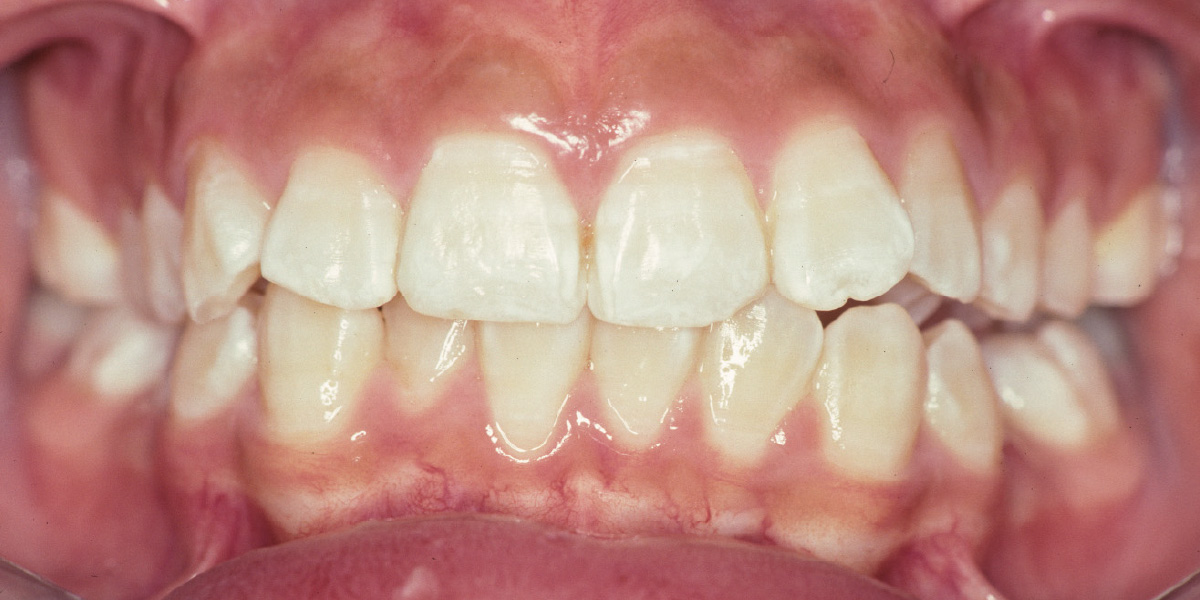
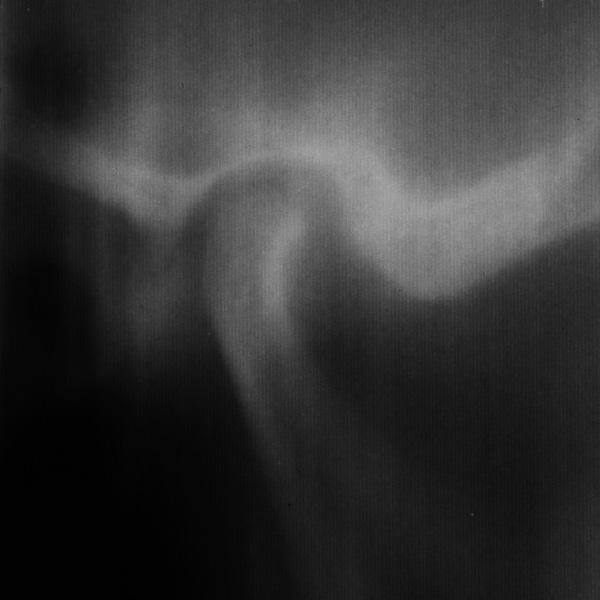
【Intraoral photos】An open bite on the left side and malocclusion are observed. 【Oriented tomograms】Bird-beak deformities of both mandibular condyles are noted, with a particularly wide joint space on the left side and subluxation of the condyle in a posterior and inferior direction.To evaluate the relationship between the two issues—malocclusion and TMJ dysfunction—we assessed whether these conditions were related. A stabilization splint was used to provide the patient with an improved occlusion and to observe how this affected the TMJ dysfunction.
Post-splint
[After 8 months of splint therapy]
【Oriented tomograms】TMJ symptoms have resolved, and the jaw position had stabilized. The condyles had shifted vertically within the glenoid fossae and are now seated. 【Intraoral photos】The occlusal relationship has changed to an open bite.Final
[At the conclusion of orthodontic treatment]
The open bite was corrected while minimizing changes to the stable position of the condyles within the glenoid fossae. 【TMJ CBCT images】The morphology of the condyles has become rounded and stabilized, and the TMSs are functioning well.This outcome was not achieved by chance; it was the result of first identifying the problems and then systematically planning treatment to resolve them. If the diagnosis and treatment plan had been based solely on the intraoral findings (as is commonly done), unexpected changes in jaw position could have occurred during treatment, making it difficult to proceed with the originally planned treatment.
-
Initial
R
L
[13-year-old female]
【Intraoral photos】An open bite on the left side and malocclusion are observed. 【Oriented tomograms】Bird-beak deformities of both mandibular condyles are noted, with a particularly wide joint space on the left side and subluxation of the condyle in a posterior and inferior direction.To evaluate the relationship between the two issues—malocclusion and TMJ dysfunction—we assessed whether these conditions were related. A stabilization splint was used to provide the patient with an improved occlusion and to observe how this affected the TMJ dysfunction.
-
Post-splint
R
L
[After 8 months of splint therapy]
【Oriented tomograms】TMJ symptoms have resolved, and the jaw position had stabilized. The condyles had shifted vertically within the glenoid fossae and are now seated. 【Intraoral photos】The occlusal relationship has changed to an open bite. -
Final
R
L
[At the conclusion of orthodontic treatment]
The open bite was corrected while minimizing changes to the stable position of the condyles within the glenoid fossae. 【TMJ CBCT images】The morphology of the condyles has become rounded and stabilized, and the TMSs are functioning well. -
This outcome was not achieved by chance; it was the result of first identifying the problems and then systematically planning treatment to resolve them. If the diagnosis and treatment plan had been based solely on the intraoral findings (as is commonly done), unexpected changes in jaw position could have occurred during treatment, making it difficult to proceed with the originally planned treatment.
Featureof the Roth Philosophy
-
Before
After


R01
Face Design
Strong Focus on Facial Impact
When considering the principal region of the face—from the eyebrows to the chin—the tooth crowns and roots account for nearly 40% of the area. Therefore, moving the teeth has a significant impact on overall facial appearance.
-


R02
Attractive Tooth Alignment
Attractive, Beautiful Tooth Alignment
Simply straightening the teeth does not automatically result in a truly beautiful tooth alignment. A well-formed dental arch, a stable mandibular position, and healthy, stable temporomandibular joints (TMJs) contribute to a beautiful smile and promote the health of the teeth and periodontium.
-


R03
Beautiful Smile
Lips and Tooth Alignment in the Smile
The relationship between the lips and tooth alignment is surprisingly important. It can make a significant difference in the appearance of the smile.
-

R04
Stable Jaw Position
The importance of mandibular position
While the alignment of the teeth is important, it is essential to first assess the condition of the TMJs. This approach is similar to conducting a soil survey before building a house.
-

R05
Imaging
CT and MRI
In addition to cone-beam CT, which offers high accuracy with low radiation exposure, MRI is widely available in Japan and can be performed at a lower cost than in other countries. This allows us to thoroughly assess the condition of the TMJs.
-
Before
After

R06
Optimum Timing
The Right Timing for Treatment
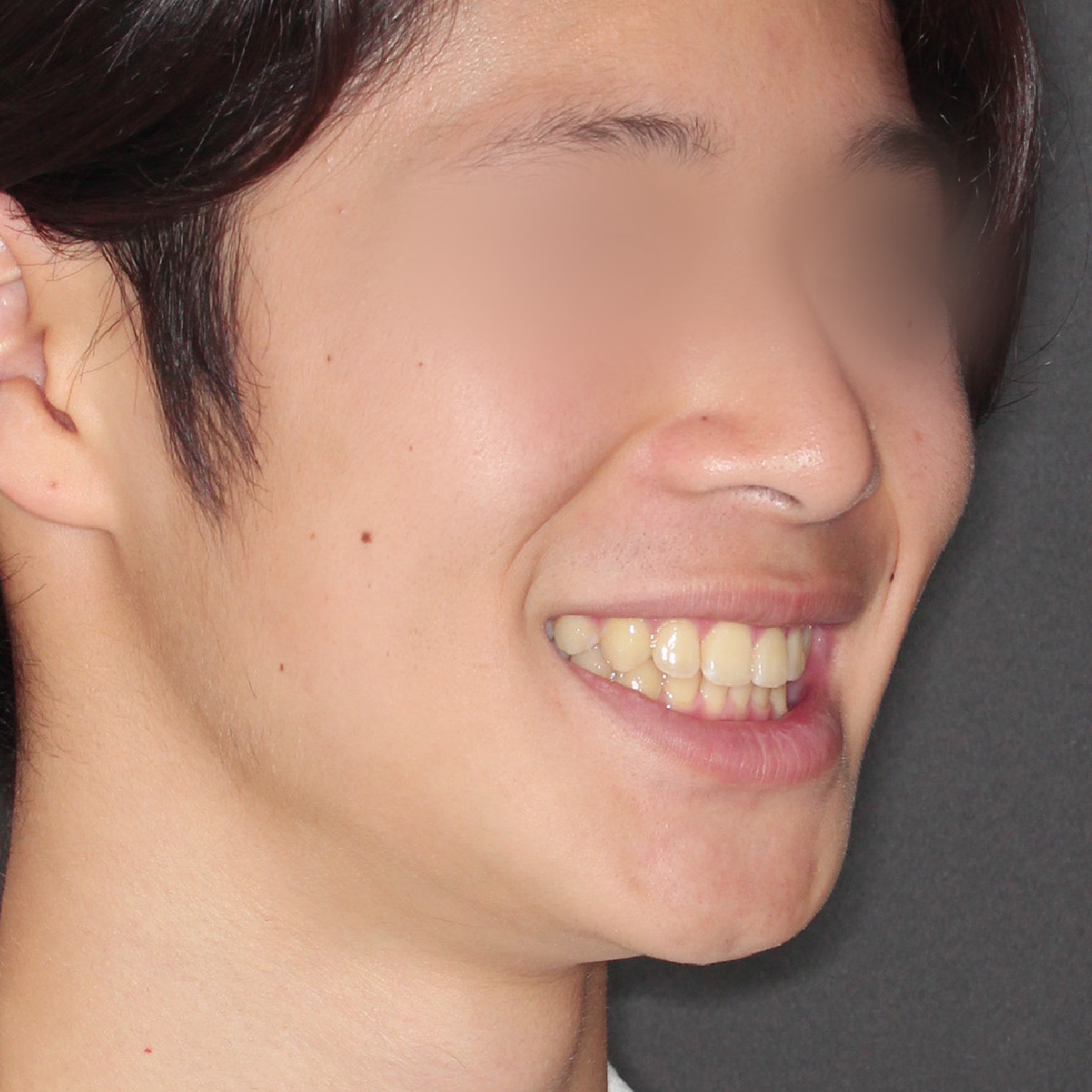
It is important to identify the stages of a child’s growth—particularly the growth of the mandible (lower jaw)—and to tailor the treatment plan and procedures accordingly.
-
Before
After
R07
Early Treatment
Early Treatment for Children
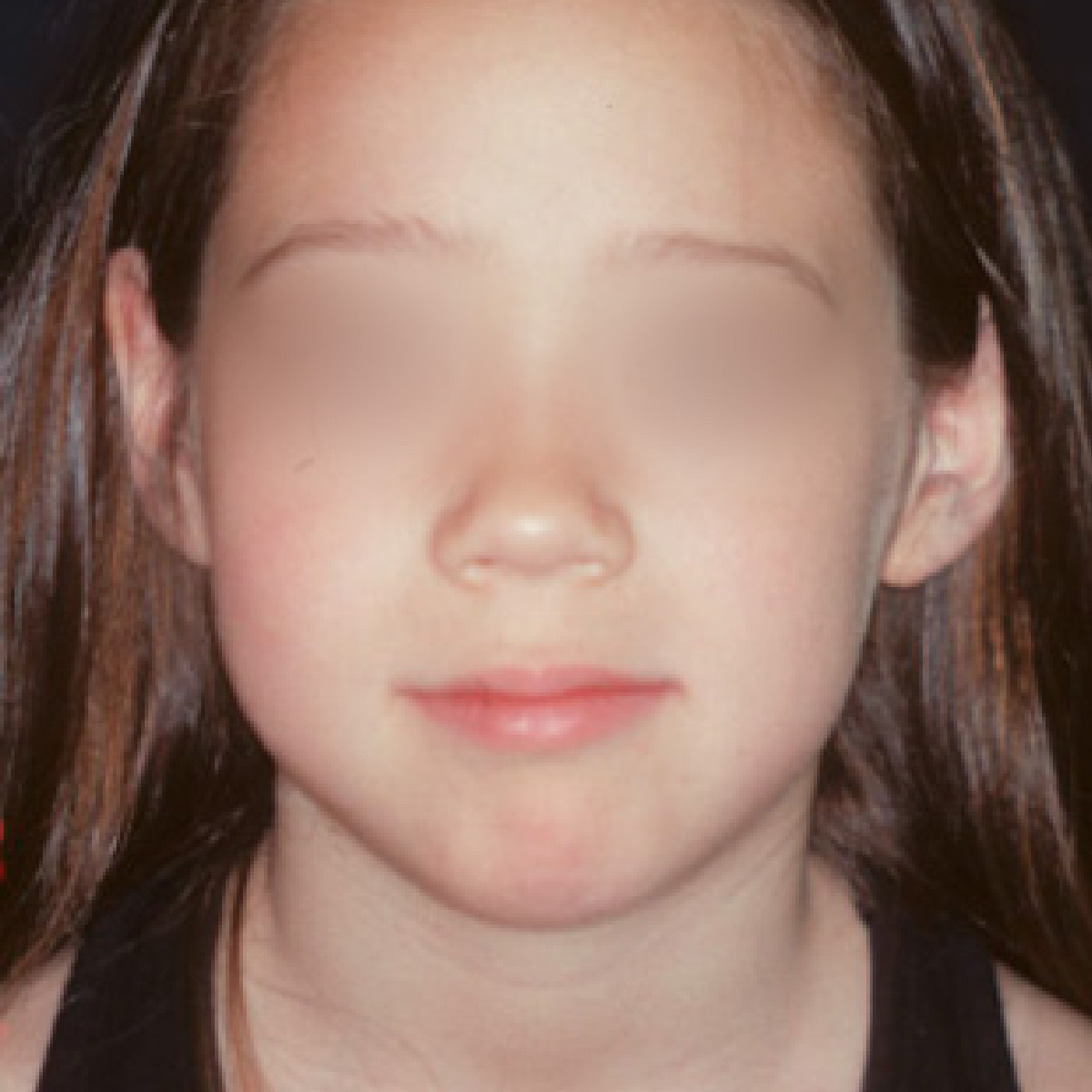
Early treatment is recommended for cases in which treatment would become more difficult later, or in which leaving the condition untreated would place a significant burden on chewing function and the TMJs.

