
ROTH PHILOSOPHY
R01
Face Design Strong Focus on Facial Impact
-
Before
After


01R01
How are facial changes achieved?
When considering the principal region of the face—from the eyebrows to the chin—the tooth crowns and roots account for nearly 40% of the area. Therefore, moving the teeth has a significant impact on overall facial appearance. The following factors are particularly important:
- The anteroposterior and vertical positions of the anterior teeth relative to the lips
- The inclination of the anterior teeth
- The position of the chin
Initial
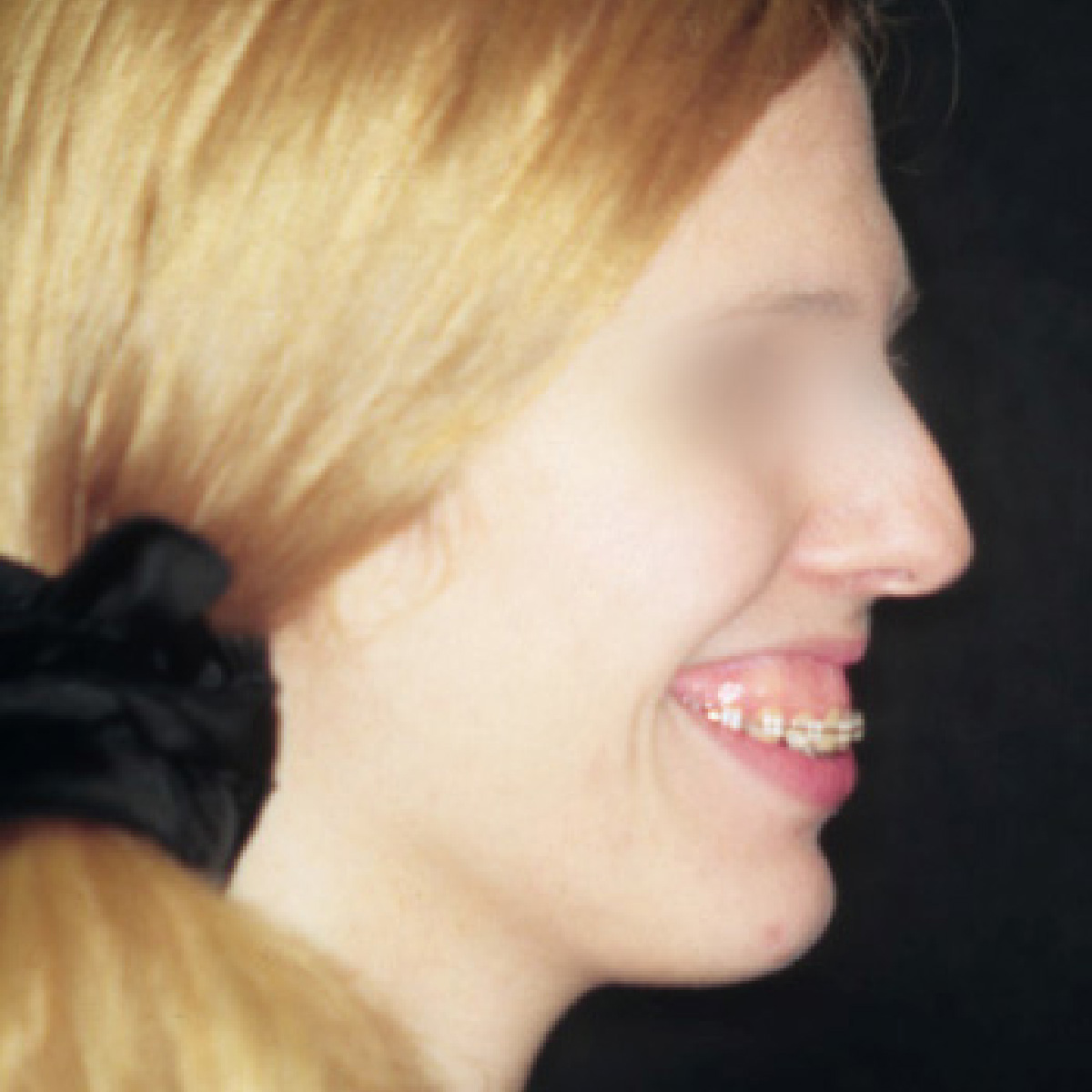
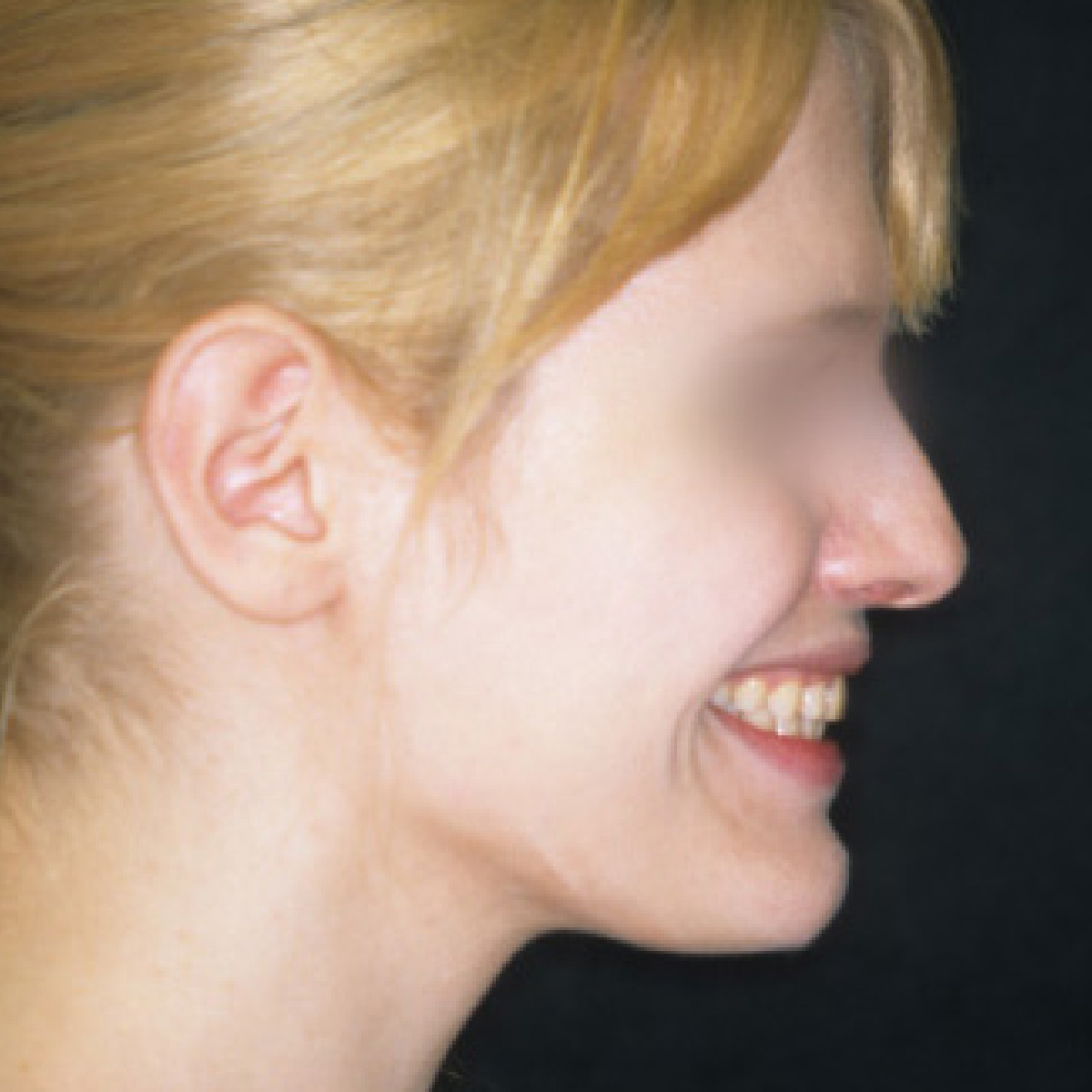
The chin is retruded. When the lips are closed, the perioral and mentalis muscles are strained, significantly distorting the shape of both the upper and lower lips. The anterior teeth are protruded.
Final
The lips close comfortably without strain, forming a smooth, pleasing curve from the upper lip to the chin. The chin is positioned more anteriorly than before treatment, with a notable improvement in form. The lower facial height has decreased significantly, and the length from the chin to the neck has increased, resulting in a transformation that appears as though it were achieved through surgical intervention.
These results were achieved through the forward movement and intrusion of the molars during orthodontic treatment, which allowed autorotation of the mandible(lower jaw). Because this patient is an adult, there was no remaining growth potential. Orthodontic mechanics involving premolar extractions were utilized, and the extraction spaces were used to control the three-dimensional position of the molars. This facilitated counterclockwise rotation of the mandible around the temporomandibular joints (marked with an asterisk), thereby bringing the chin forward.
-
Before
The chin is retruded. When the lips are closed, the perioral and mentalis muscles are strained, significantly distorting the shape of both the upper and lower lips. The anterior teeth are protruded.
-
After
The lips close comfortably without strain, forming a smooth, pleasing curve from the upper lip to the chin. The chin is positioned more anteriorly than before treatment, with a notable improvement in form. The lower facial height has decreased significantly, and the length from the chin to the neck has increased, resulting in a transformation that appears as though it were achieved through surgical intervention.
These results were achieved through the forward movement and intrusion of the molars during orthodontic treatment, which allowed autorotation of the mandible(lower jaw). Because this patient is an adult, there was no remaining growth potential. Orthodontic mechanics involving premolar extractions were utilized, and the extraction spaces were used to control the three-dimensional position of the molars. This facilitated counterclockwise rotation of the mandible around the temporomandibular joints (marked with an asterisk), thereby bringing the chin forward.
-
Before
After


Before
After
02R01
Surgical Orthodontic Options
Surgical orthodontics involves surgically correcting the position of the maxilla (upper jaw) and mandible (lower jaw) when skeletal discrepancy is severe and satisfactory occlusion cannot be achieved through tooth movement alone.
If significant jaw displacement is identified during the initial examination or following splint therapy, we present a surgical orthodontic treatment plan before beginning tooth movement. While surgical orthodontics significantly improves the occlusal relationship, it also produces dramatic changes in facial appearance; therefore, we perform a post-surgical facial change simulation. By planning the surgery before starting tooth movement, we can anticipate the most favorable facial changes and determine in advance the necessary adjustments to jaw position and the corresponding tooth movement.
If we initially attempt to treat the condition with tooth movement alone but later determine that surgery is required, the way the teeth are moved must be fundamentally revised. In such cases, even after undergoing surgery, the final treatment outcome may be compromised.
Featureof the Roth Philosophy
-
Before
After
R01
Face Design
Strong Focus on Facial Impact
When considering the principal region of the face—from the eyebrows to the chin—the tooth crowns and roots account for nearly 40% of the area. Therefore, moving the teeth has a significant impact on overall facial appearance.
-


R02
Attractive Tooth Alignment
Attractive, Beautiful Tooth Alignment
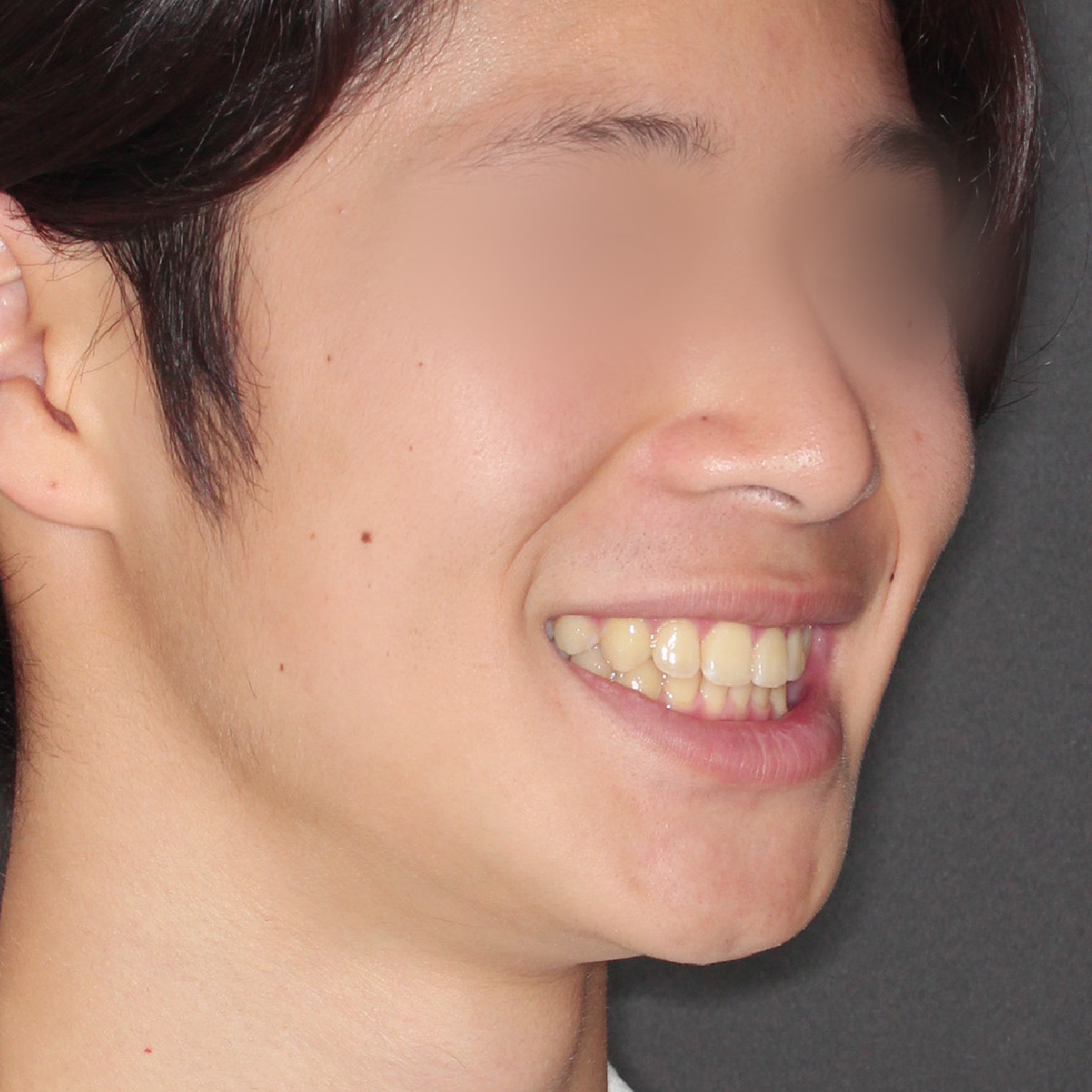
Simply straightening the teeth does not automatically result in a truly beautiful tooth alignment. A well-formed dental arch, a stable mandibular position, and healthy, stable temporomandibular joints (TMJs) contribute to a beautiful smile and promote the health of the teeth and periodontium.
-


R03
Beautiful Smile
Lips and Tooth Alignment in the Smile
The relationship between the lips and tooth alignment is surprisingly important. It can make a significant difference in the appearance of the smile.
-

R04
Stable Jaw Position
The importance of mandibular position
While the alignment of the teeth is important, it is essential to first assess the condition of the TMJs. This approach is similar to conducting a soil survey before building a house.
-

R05
Imaging
CT and MRI
In addition to cone-beam CT, which offers high accuracy with low radiation exposure, MRI is widely available in Japan and can be performed at a lower cost than in other countries. This allows us to thoroughly assess the condition of the TMJs.
-
Before
After

R06
Optimum Timing
The Right Timing for Treatment
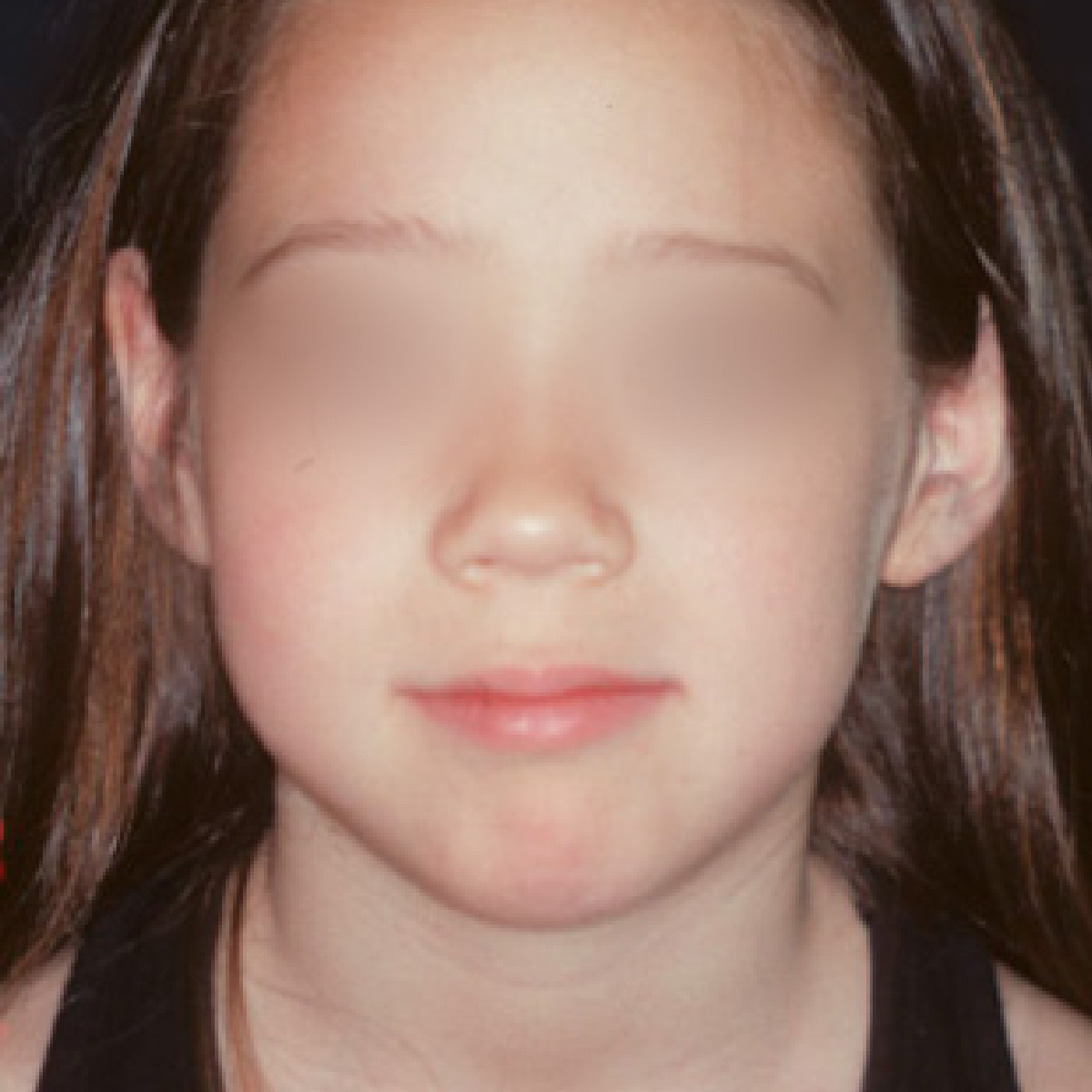
It is important to identify the stages of a child’s growth—particularly the growth of the mandible (lower jaw)—and to tailor the treatment plan and procedures accordingly.
-
Before
After
R07
Early Treatment
Early Treatment for Children
Early treatment is recommended for cases in which treatment would become more difficult later, or in which leaving the condition untreated would place a significant burden on chewing function and the TMJs.

